Easter Egg: A Charming Typeface for Whimsical Designs
In the world of modern typography, finding a typeface that balances whimsy with professionalism can feel like a hunt for a prize. Enter Easter Egg, a premium dingbats font designed not for body text, but for adding distinct, cute, and thematic flair to a wide array of creative projects. This isn't your standard serif font or clean sans serif font; it's a specialized creative font that functions as a toolbox of visual elements. Understanding its personality and practical applications is key to using it effectively, whether you're designing wedding invitations, crafting logos, or developing engaging social media graphics.
Visual Style and Personality of the Easter Egg Typeface
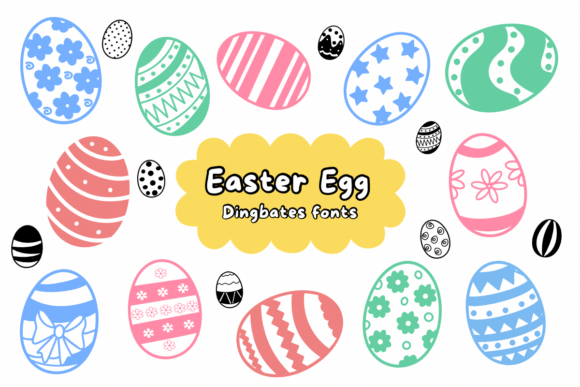
The Easter Egg typeface is characterized by its playful, hand-crafted aesthetic. As a dingbats font, it consists of a set of symbols, ornaments, and illustrations rather than traditional letters and numbers. Its visual language includes delicate florals, charming animals, festive seasonal motifs, and decorative borders, all rendered with a soft, approachable style. The personality is undeniably cute and inviting, making it an excellent asset for projects that aim to evoke warmth, joy, and creativity. This style of handwritten font or illustrative font adds a layer of visual interest that standard script fonts cannot provide, offering ready-made design assets to enhance composition.
Its appeal lies in its ability to inject personality into a design quickly. For a brand identity seeking a friendly, approachable feel, elements from the Easter Egg font can be used to create unique social media icons or pattern backgrounds. In editorial design, these dingbats serve as perfect spot illustrations or decorative dividers. The overall aesthetic avoids being overly childish, striking a balance that works for both personal crafts and commercial projects requiring a touch of whimsy.
Practical Applications Across Creative Projects
The true value of a font like Easter Egg is realized in its application. Here’s how it can serve various creative professionals and enthusiasts:
- Wedding Invitations and Event Stationery: Use individual dingbats as corner flourishes, monogram frames, or thematic accents. A delicate floral ornament from the Easter Egg set can elevate a simple invitation suite, adding a custom, handmade feel without the cost of custom illustration.
- Logo Design and Brand Elements: While not suited for the primary logotype, elements from this creative font can be isolated and used as brand marks, favicon icons, or packaging design accents. For a bakery, craft store, or children's brand, a relevant symbol can become a recognizable part of the brand identity.
- DIY, Crafts, and Decorations: Crafters and hobbyists will find immense utility here. Print the dingbats onto sticker paper, use them as templates for embroidery patterns, or incorporate them into scrapbooking layouts. They are ideal for creating cohesive decorations for parties, holidays, or home projects.
- Digital Content and Web Design: In web design, use these symbols as custom bullet points, decorative borders for sidebars, or engaging icons in infographics. For content creators and bloggers, they can make social media graphics more eye-catching and visually distinct, improving audience engagement.
- Publishing and Editorial Design: Publishers can use these ornaments as chapter headings, page accents, or decorative elements in book interiors, particularly in genres like children's books, lifestyle magazines, or greeting card design.
Integrating Easter Egg into Your Design Workflow
Using a specialty font effectively requires more than just installation. Here is practical guidance for evaluating and implementing the Easter Egg font in your projects.
Evaluating Project Fit and Readability
First, assess if the cute, whimsical theme aligns with your project's tone. Easter Egg is perfect for playful, celebratory, or heartfelt contexts but may not suit a corporate legal firm or a minimalist tech startup. Remember, as a dingbats font, it doesn't affect text readability in the traditional sense. However, consider the visual hierarchy: use its elements as accents, not as primary content that needs to be read quickly. A single ornament can draw the eye; too many can create clutter.
Font Pairing Strategies
The key to professional use is pairing. Easter Egg elements work beautifully alongside clean, simple typefaces. Pair it with a neutral sans serif font for body text to maintain readability, or with an elegant serif font for a more sophisticated contrast. For example, a wedding invitation might combine a classic serif for names with a flowing script font for details, accented by a few Easter Egg dingbats. Test pairings to ensure the ornament doesn't overwhelm the primary typography.
Reviewing Styles and Licensing
Check what the font package includes. Does it offer multiple weights or variations of the dingbats? Are there different thematic sets? For commercial use, always verify the licensing. A commercial font license is necessary if the final product is for sale or used to promote a business. Ensure the license covers your intended use, whether for digital products, printed merchandise, or client work. Respect the creator's terms to support the design community.
Realistic Examples and Observations
Consider a small business owner creating packaging for artisanal soaps. Using a floral dingbat from Easter Egg on the label can reinforce a natural, handcrafted brand identity. A marketing manager designing a holiday social media campaign could use thematic symbols from the font to create a series of consistent, charming posts. The font acts as a versatile design asset library, saving time and ensuring visual cohesion across materials.
In conclusion, the Easter Egg font is a powerful tool in the modern designer's arsenal, not for setting paragraphs, but for adding layers of visual storytelling and charm. Its strength is in its specificity. By understanding its cute, illustrative nature and applying it thoughtfully through strategic font pairing, careful project selection, and adherence to licensing, you can unlock its potential to enhance invitations, bolster brand identity, and bring a unique, creative spark to any project. It exemplifies how modern typography extends beyond letters to include the symbols and icons that complete a visual narrative.